
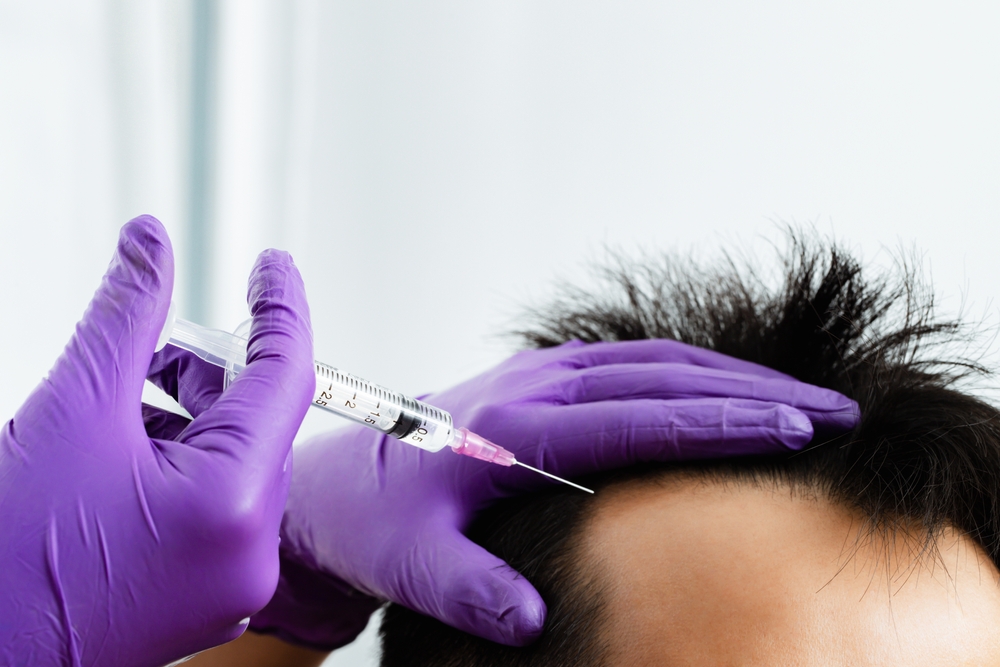
A hair transplant is a significant monetary investment. In Canada, the estimated cost for a regular hair restoration process ranges between $4,000 and $15,000 CAD.
Key Takeaways
- Although hair transplant surgery in Quebec ranges from $4,000-$15,000, the actual financial investment needs to be considered over 10 to 20 years with the Quebec tax included and long-term maintenance.
- Some transplanted hairs may shed around weeks 2 to 4, which is normal, while new growth usually starts around month 3.
- Hair density often improves between months 7 to 9, with the final results taking about 12 to 18 months to fully develop.
- While transplanted grafts (resistant to DHT) last permanently, other treatments such as Minoxidil, Finasteride, or PRP can prevent any remaining hair from thinning.
Maximizing your return on investment (ROI) in the process of hair transplant and growth directly correlates with your commitment to timelines, use of modern local maintenance treatments, and strict following of the prescribed possibilities for recovering after the surgery in Montreal and Laval.
Safeguarding this financial investment is about utilizing post-procedure care, being aware of the recovery time, and applying measures to protect the longevity of the hair that has been implanted.
This blog will highlight how you can get the most from your hair transplant with CapillaireMD.
Why Should You Think Of Your Hair Transplant As an Investment?
Getting a hair transplant can be expensive in the beginning; however, if you think of this procedure as an investment that will last 10 to 20 years, then you will realize the actual value of this process.
Rather than thinking of hair transplant as a one-time expense, think of the cost of the hair transplant over time.
Consider this calculation for the investment value-
- Cost incurred per annum per outcome = (cost for hair restoration procedure + tax + any ancillary costs + maintenance over N years) ÷ N
For example, a surgery may cost 10000 Dollars at first, but gives satisfactory results. This means the cost per year, without taking medications and other expenses into consideration, is around $500.
It is true that opting for a cheaper surgery seems to be an effective way to cut costs, but if it later requires another surgical intervention, the amount spent on the first one turns out to be insignificant compared to the total cost.
Here are the three factors that affect the value you get from your hair transplant are-
- Initial complete, itemized costs
- Duration of full outcome
- Long-term durability
Why Published Prices Can Be Different
You might find that the cost of hair transplants varies from clinic to clinic. Somewhere, the average cost may be $8,445 while others may quote $9,500. The difference lies in what is included in the base price. In some clinics, the price on the menu might only reflect per graft cost + the surgeon’s fee; in others, it may include follow-ups and consultations as well. In this case, even though your upfront cost might be lower, you will still have to pay for each service separately over time. So, simply comparing based on prices per graft may not give you an accurate figure.
Factors Affecting The Price Range Of The Treatment
Several factors may make one hair transplant cost more or less than another.
The factors include-
- Number of grafts
- Techniques used (FUE, robotic hair transplantation, or DHI may come with a higher price)
- Surgeon’s experience
- Additional services (like medications, blood tests, follow-up appointments, aftercare products, or PRP treatments)
- GST and QST in Quebec adds up to the price
Beyond the cost factors, understanding the hair transplant timeline can also help you know what to expect at each stage of the treatment and when you are likely to see results.
The Hair Transplant Timeline: What Really Happens, Month by Month
Most patients are surprised by one thing. The hair you transplant falls out first. That is normal.
Following a hair transplant procedure, one may experience minor swelling, tenderness, and a dressing or saline application during the first few days. Certain healthcare facilities may recommend the use of a pressure dressing for about 48 hours.
During this time, from the 4th to the 14th day, the scabs will gradually disappear, allowing one to return to work within a few days. During weeks 2 through 4, shedding of the hair transplant, also known as shock loss, may occur. This is an expected occurrence that does not indicate failure of the process, as the roots of the hair remain intact and can commence hair growth.
You might experience the “ugly duckling phase” during months 2 to 4 of your journey. Some hair might also shed while hair in the transplanted area may appear less thick. New and soft hair begins to grow during months 3 to 4.
Hair then becomes thicker and darker between months 4 and 6. Growth in density occurs during months 6 to 9. You might start noticing changes by 7 to 9 months. In months 10 to 12, the final result may be visible, but hair might continue growing even after the first year, and the crown might take 18 to 20 months to grow fully.
While understanding the hair transplant timeline aids in setting realistic expectations, a common concern patients may have during recovery is whether shedding is a normal part of the process or a warning sign.
Is Shedding a Warning Sign?
Usually not. Most shock loss resolves within three to six months. Shock loss differs from a failed transplant, where there is no growth after 8-12 months.
If anything worries you, call us. Do not wait and wonder.
As the timing of your hair transplant can affect your recovery and overall experience, it is worth considering how the changing season of Quebec may affect your treatments and aftercare.
Mild to moderate swelling around the forehead or eyes can happen around days 2 to 4, and usually settles with time. Some numbness, mild itching, and tightness around the donor and recipient areas is also common as your scalp heals.
It is common to lose short hairs between weeks 2 to 6 during recovery from an FUE hair transplant, while showering or on the pillow. Small, pin-point scabs around the FUE donor site are also expected as the donor area heals.
However, some symptoms are the cause for concern. Contact your doctor-
- If swelling becomes severe, closes an eye, or comes with a fever or strong throbbing pain in the head.
- If you feel extreme pain even after the oral medication.
- If you experience fresh bleeding even after applying gentle pressure for about 15 minutes.
- In case there is any pus or yellow liquid or an unpleasant smell coming from the graft area.
The Quebec Seasonal Planner
Montreal and Laval experience all four seasons, and all weather can impact your recovery.
Here is a table below to choose a time that works well with your plans, especially if you have a wedding or any important event, where you will be taking lots of photos-
| Surgery month | Shedding | First new growth | Strong result (6-9 mo) | Final (12-18 mo) |
| January | February | April | July-October | January-July next year |
| April | May | July | October-January | April-October next year |
| July | August | October | January-April | July-January next year |
| October | November | January | April-July | October-April next year |
Table 1: Seasonal Planner for Quebec
Plan backward from your key date. If a wedding is in eight months, you will be in the “strong but not final” window.
| How to Prepare Before Your Hair Transplant Before visiting our Laval or Ville Mont-Royal clinic for procedures, it is advisable that you prepare the following essentials that will help make your recovery easier.Here is a list of what you may need after your treatment: Loose clothing (i.e. button-up shirts or zipper jackets) during the recovery period: Before your visit, please have at least three or four loose button-up shirts or zipper jackets prepared for the week. Avoid putting on any tight clothing, as it may pull on recently implanted hair follicles. Neck pillow: A neck pillow will keep your head at the right angle (45 degrees) while you take some rest the first week after the procedure. Besides, it helps prevent any pressure applied to the area being treated. Winter clothing (during the procedure done in winter): If the procedure is being performed in winter, you should wear loose and big hoods or soft headwear. Do not wear hats, caps, or any other kind of cap for 14 days after the procedure. Sunscreens for summer (May to September): During summer, big and loose hats should be worn to protect the scalp. Do not let your scalp get exposed to strong sunlight until you have the go-ahead from your doctor to start using sunscreen. Saline solution: Use sterile saline solution during the first few days after the procedure to keep the area moist. You may use the saline once every hour or two, or as suggested by your experts. |
Your surgeon’s written instructions always come first.
Here is what most patients should expect.
In the first two days-
- Keep your head raised when you are in a restful state.
- Stick to the cleaning method or saline protocol you were provided with.
- It is possible that some patients may experience swelling of eyelids and faces; report anything serious.
In the first two weeks-
- Ensure you do not scratch or pick at scabs.
- Confirm with your surgeon the best time to wash normally, carry out exercise and put on a cap.
Montreal-specific recommendations-
- Winter: Inquire about a loose hat. Avoid putting on tight toques early.
- Summer: Ask for a way to protect your scalp from sun exposure.
- Work commitments: Aim for a surgery date that falls prior to a week without work commitments, as opposed to a week that includes an important launch.
As soon as you understand how to keep your scalp healthy during the first recovery phase, you will wonder how long the results of hair transplantation are going to last.
Longevity: How Long Does A Hair Transplant Last?
Hair transplant grafts are gradually taken from the back and sides of your scalp, where hair is generally more resistant to DHT (the hormones linked to pattern hair loss). The transplanted hairs are designed to last, but your existing hair strands may still shed over time, resulting in hair thinning.
For this reason, some individuals will have to undergo further treatment after some time.
Do you have to take Finasteride post surgery? Yes and no. Finasteride helps to maintain the health of the native hair surrounding the transplanted grafts. The grafts themselves will continue to grow and maintain themselves even without the medication. Meanwhile, if the unmedicated native hair loses its volume, global unevenness might require you to have another procedure.
Calculate it properly. Include maintenance into your cost per annum calculations. Just this one factor already makes your return on investment calculations more precise than most online calculators.
Will I need more than one session?
You may need several sessions to get the result you are looking for, spaced at least six months apart. Younger patients with progressing loss are the most likely to need a second procedure.
Having regular check-ups is beneficial to identify new hair loss early on and to ensure that your treatment is on course.
Who Should Not Rush Into A Hair Transplant
A perfect consultation might finish with “not yet.”
It is better to wait if:
- Your loss of hair is still changing at a fast pace. Younger patients might have fluctuating patterns making it difficult to plan.
- Donor hair is inadequate. Your surgeon must have enough donor hair to reach the result.
- Expectations may be unrealistic. Surgery just moves hair, but it does not create new hair.
Other routes may suit you first, such as medical therapy, PRP, LED treatment, or mesotherapy.
Making the decision of going for a hair transplant in Montreal or Laval can significantly ease the process and put your mind at rest when you compare it with going abroad. When going for a local procedure, you normally spend very little or no money on travel and accommodation, and follow-up appointments also become easier to make.
In case any concerns or problems come up, your clinic is always within reach. Going for a local treatment also means that the procedure will use Quebec’s medical system, allowing it to meet the standards of the Collège des médecins du Québec (CMQ).
In our clinic, only Dr Joseph Doumit, a board-certified dermatologist, performs the extraction and incisions for any procedures. In case you are going abroad to get the procedure done, it is always a good idea to find out who the surgeon is and what credentials he/she possesses, as it will help you to manage your aftercare upon your return to Canada.
Every overseas clinic is not poor, but there are also several local clinics. Choosing an excellent local clinic will ensure easier follow-ups and high medical standards.
How to Choose a Hair Transplant Clinic in Montreal or Laval
Selecting a reliable clinic for hair transplant in Laval and Montreal is of utmost importance. For that reason, it is necessary to pose some vital questions during your consultation.
- Find out who is going to carry out each part of the procedure, from the extraction and making the incisions to placing the grafts.
- Inquire about the doctor’s qualifications and credentials, as well as check their licence through the Quebec medical register.
- Also ask how the graft count was defined and ask to see examples of the results of patients with the same type and degree of hair loss.
- Ensure that your estimate gives a clear idea of what is included; ask about the clinic’s revision policy and aftercare.
- Finally, ask what the doctor would recommend if you decided to wait before having the procedure.
Your Consultation at CapillaireMD
At your consultation, our team will take time to assess your hair loss pattern and your goals with the treatment plan. You will expect a review of your hair-loss pattern and its possible cause, along with an assessment of your donor hair density.
You will receive a realistic graft estimate and treatment plan, a clear and itemized quote. You will also get personalized plans from our experts to help maintain your existing hair over time.
Summary
Getting the best long-term value from a hair transplant needs consideration of the factors beyond initial price. It is important to consider the number of grafts, recovery time, aftercare, and how you will maintain your results over the years.
CapillaireMD combines surgeon-led FUE with personalized care, including options such as LED therapy and PRP.
Make The Most Of Your Hair Transplant Investment
With us, your new transplants will receive optimal treatment while providing maximum protection for your existing hair. Get transparent pricing along with a customized treatment plan and expert consultation from Dr. Joseph Doumit. Book a consultation with us or call 514-400-3291.
Frequently Asked Questions
Q1: What If The Extracted Grafts Are Damaged During Transfer, Resulting In Low Density And Failed Hair Restoration?
During the surgery, we take the utmost care while handling every graft. Our experienced surgeons employ advanced micro-dissection techniques and take precautions while handling each graft.
Besides this, we also offer post-operative treatments like LED therapy, which facilitates recovery and ensures optimal conditions for graft survival.
Q2: Is There Any Possibility Of My Implanted Hair Falling Off Soon After The Surgery, Rendering The Whole Treatment Completely Useless?
Hair shedding after surgery is nothing to worry about, as it is rather common for hair follicles to shed before starting actual regrowth around month three.
Our clinic helps you alleviate those fears by giving you the option to use PRP therapy and LED light therapy after surgery, boosting the chances of your grafts survival and helping you achieve the best long-term results.
Q3: Can I Expect To Have Unnatural Scars On The Back Of My Head After A Hair Transplant?
Dr. Doumit’s technique is Follicular Unit Extraction (FUE) using micro-incisions that can be less than 1.0 mm. It is an advanced method in which follicles are extracted in a bundle with no linear cuts. Hence the donor area is nearly invisible even with short or almost bald hair.
Q4: Extended Downtime Or Prominent Swelling Is Not Something I Can Afford. It Will Cost Me My Work And Routine.
The techniques utilized at our clinic include micro-incision extraction and accurate placement, allowing most patients to go back to work just days after surgery. Concerning any temporary minor facial swelling, Dr. Doumit provides patients with specific aftercare recommendations.
Q5: What If I Pay For A Hair Transplant, And It Looks Unnatural?
Dr. Doumit collaborates with you in the designing stage to define your hairline naturally according to your own scalp, even before any incisions are made. Our clinic combines artistic hairline customization and precise placements, so that the hair grows without leaving any traces of the procedure.
