
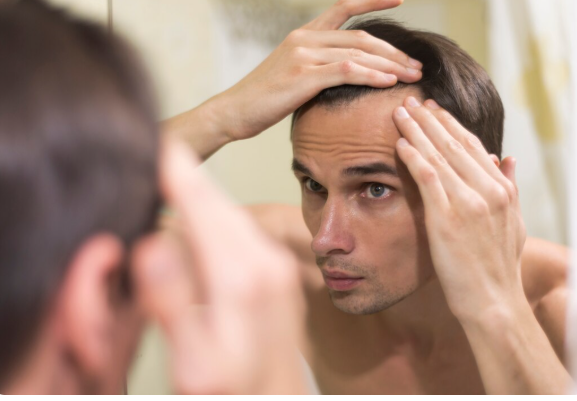
Alopecia is a condition affecting many individuals and their self-esteem. It varies in severity, from localized hair loss to autoimmune hair loss. However, there are many innovative options for restoring hair in Montreal.
Patients can choose from a range of non-invasive techniques such as medical microneedling, LED light therapy, and PRP therapy to more permanent solutions such as FUE hair transplants.
Key Takeaways:
- An accurate diagnosis should be made first, as effective treatments are possible after correct evaluation of the scalp’s condition, and the cause of the issue should be detected. It may refer to androgenetic baldness caused by genetics, stress-induced hair shedding, or lifestyle habits.
- Consider comprehensive care options and customized plans to restore customers’ hair. They can choose between different treatments that do not involve surgical operations, such as PRP therapy, mesotherapy, and LED light therapy, or surgical procedures (like FUE hair transplant).
- CapillaireMD has several specialists in the industry who can provide these services at affordable prices in the region, including Ville Mont-Royal, West Island, Laval, South Shore, Saint-Jean-sur-Richelieu, Gatineau, and Ottawa.
Seeing more hair in your shower drain than usual? You are not mistaken. Hair loss is a common phenomenon that considerably affects the lives of many adults, and patients in Montreal now have plenty of treatment options available.
This guide describes the phenomenon of alopecia, its types, and treatment options in clinics in Montreal, such as PRP, mesotherapy, and hair transplants.
What Is Alopecia, Exactly?
Alopecia is the clinical term for hair loss. It is not one condition. It is an umbrella term covering several distinct patterns of hair loss, each with a different root cause.
Some forms are genetic. Some are autoimmune. Some are temporary and stress-related. That distinction matters, because it changes what treatment will actually work.
A dermatologist or hair specialist’s first job is not to recommend a treatment. It is to figure out which type of alopecia you have.
The Main Types of Alopecia
Here are the main types of alopecia and what it responds to-
| Type | What it looks like | Main cause | Typically responds to |
| Androgenetic alopecia | Gradual thinning, receding hairline, crown thinning | Genetics + DHT sensitivity | Minoxidil, mesotherapy, PRP, hair transplant |
| Alopecia areata (pelade) | Sudden, round patches of hair loss | Autoimmune | Corticosteroid injections, immunotherapy, PRP |
| Telogen effluvium | Diffuse, all-over shedding | Stress, illness, childbirth, nutritional deficiency, medication | Addressing the trigger, mesotherapy, nutritional support |
| Traction alopecia | Thinning at the hairline or part, often from tight styles | Repeated pulling on hair follicles | Changing hair care habits, mesotherapy, LED, sometimes transplant if scarring occurs |
| Tinea capitis (la teigne) | Scaly, patchy hair loss, sometimes itchy | Fungal infection | Antifungal treatment first, restoration treatments after |
Table 1: Types of Alopecia
Takeaway: If you are not sure which type you have, that is normal, and it is exactly why a proper scalp assessment comes before any treatment recommendation, not after.
Why “Just Google It” Does Not Work Here
Hair loss content online is often generic, written without any clinical nuance. Two people can both say “I am losing my hair” and be dealing with completely different conditions.
Someone with telogen effluvium after a stressful year needs a very different plan than someone with androgenetic alopecia that has been progressing for a decade. Treating them the same way wastes time, and in some cases, money.
This is why an in-person (or video) consultation with a multidisciplinary team, not a one-size-fits-all online recommendation, is the starting point at our clinic.
Understanding the right treatment approach starts with understanding what is actually causing the hair loss in the first place.
Common Causes of Hair Loss in Montreal Patients
A few factors come up repeatedly in Montreal clinics:
- Genetics and hormones– the single biggest driver of androgenetic alopecia in both men and women.
- Stress and major life events– a demanding year, illness, surgery, or childbirth can trigger telogen effluvium three to six months later.
- Quebec winters– cold, dry indoor heating and harsh outdoor wind can aggravate an already fragile scalp and increase breakage, especially from December through March.
- Nutritional gaps– iron, vitamin D, and protein deficiencies are common contributors, particularly in people who have changed their diet recently.
- Hairstyling habits– tight braids, extensions, and frequent heat styling contribute to traction alopecia over time.
- Underlying health conditions– thyroid disorders and certain autoimmune conditions can present first as hair loss.
Takeaway: Most hair loss has an identifiable cause. Finding it is the difference between a treatment plan that works and one that does not.
While identifying the underlying cause is an important first step, knowing when hair loss warrants professional evaluation can help you address the issue before it progresses.
When to See a Hair Loss Specialist
Not every shed hair is cause for concern. Losing 50 to 100 hairs a day is normal. Consider booking a consultation if you notice:
- A widening part or visibly thinner ponytail
- Round, coin-sized bald patches
- Hair loss that started suddenly, over weeks rather than years
- Scalp redness, itching, or scaling alongside the hair loss
- Hair loss that is affecting your confidence day to day
Early intervention matters most with androgenetic alopecia. Therefore, the earlier treatment starts, the more existing follicles there are to protect.
Because early intervention is critical for preserving existing hair follicles in androgenetic alopecia, seeking timely care can significantly impact your long-term results. Below, explore the leading treatment options available in Montreal to help slow progression and restore density.
Treatment Options Available in Montreal
Montreal’s hair restoration clinics generally offer four categories of treatment. Most patients do best with a combination, not a single treatment in isolation.
1. Hair Transplant in Montreal
The process of hair transplantation is a minor surgical operation. In this process, follicles are transferred from a donor site (usually the back of the head, which is normally untouched by hair loss) to an area with no or thinning hair.
Who it is for: Patients with stable, predictable hair loss (most often androgenetic alopecia in Montreal) who have enough donor hair to work with. It is generally not the first recommendation for active alopecia areata or ongoing telogen effluvium, since transplanted hair can be affected by the same underlying process if it isn’t addressed first.
What to expect:
- A consultation to assess donor supply, hair characteristics, and goals
- The procedure itself, performed under local anesthesia
- A recovery period with some redness and scabbing in the first 7-10 days
- Initial shedding of transplanted hairs around week 3-4 (this is normal and is called “shock loss”)
- New growth beginning around month 3-4, with fuller results visible closer to month 9-12
Cost in Montreal: Hair transplant pricing varies by clinic and by graft count, and most reputable Montreal clinics price by number of grafts rather than a flat fee. Expect a personalized quote after an in-person assessment, as anyone quoting a firm number before examining your scalp should be a red flag.
2. PRP for Hair In Montreal (Hair PRP Montreal)
PRP (Platelet-Rich Plasma) therapy uses a small quantity of blood from the patient. The blood is processed through a centrifuge to extract the platelets and growth factors, which are then injected into the scalp.
How it works: The concentrated growth factors supposedly help the weakened hair follicles become active, increase the blood flow to the scalp, and aid the hair to grow.
Who it is for: PRP works best with early-stage androgenetic alopecia, but it can also be used as an aid for alopecia areata or healing after transplantation. PRP is not a substitute for a transplant in case there is no hair at all; however, it can slow down its progression and improve hair density in thinning spots.
What to expect:
- A blood draw, similar to a routine blood test
- Scalp injections in the treatment area (numbing options are typically available)
- A course of multiple sessions, usually spaced weeks apart, followed by maintenance sessions
- Gradual improvement over several months, not overnight
Note on pricing: Montreal PRP pricing typically runs on a per-session basis, and a treatment plan (not a single session) is what actually drives results. Ask any clinic for their full protocol, not just a per-visit price.
3. Mesotherapy for Hair in Montreal (Mesotherapy Hair Montreal)
Mesotherapy is defined as a procedure in which several micro-injections are performed on the scalp area. The micro-injections consist of a custom mixture of vitamins, amino acids, and micronutrients.
How it works: By delivering nutrients directly to the dermis (bypassing digestion entirely), mesotherapy aims to nourish hair follicles, improve microcirculation, and support the scalp’s tissue health.
Who it is for: Mesotherapy is often a good fit for early-stage thinning, diffuse shedding (like telogen effluvium), and as a maintenance treatment between other therapies. It is also a common entry point for patients who want a less intensive starting treatment.
So, what is the actual difference between PRP and mesotherapy?
| S.NO | PRP | Mesotherapy |
| Source of active ingredient | Your own blood (platelets/growth factors) | Custom nutrient/vitamin serum |
| Blood draw required | Yes | No |
| Best suited for | Androgenetic alopecia, thinning with some follicle activity remaining | Diffuse shedding, early thinning, nutritional-deficiency-related hair loss, maintenance |
| Typical protocol | Multiple sessions + maintenance | Multiple sessions + maintenance |
Table 2: PRP vs. mesotherapy
Takeaway: PRP and mesotherapy are not competitors. They are often used together or in sequence, depending on what your scalp assessment shows.
4. LED Light Therapy In Montreal
Low-level LED light therapy makes use of wavelengths of light that are similar to (but less strong than) those of the sun, which are focused on the scalp to stimulate hair follicles. The procedure is non-invasive, painless, and is primarily used as an adjunct to PRP, mesotherapy, or post-transplant treatment, rather than as a cure for severe hair loss.
With many effective therapies in the area today, it is important that you determine the method that best fits your hair loss stage, goals, and consultation discussions to ensure long-term success.
Which Treatment Is Right for You? A Simple Decision Guide
| If you notice… | It might be.. | Worth discussing at consultation |
| Gradual thinning over years, family history of baldness | Androgenetic alopecia | Mesotherapy or PRP early; transplant once stable |
| Sudden round bald patches | Alopecia areata | Corticosteroid injections, PRP |
| All-over shedding after a stressful period, illness, or pregnancy | Telogen effluvium | Mesotherapy, addressing the underlying trigger |
| Thinning specifically at the hairline or part from tight hairstyles | Traction alopecia | Changing hair habits, mesotherapy, LED |
| Itchy, scaly patches | Possible tinea capitis | Medical evaluation before any cosmetic treatment |
Table 3: Decision Guide For Hair Loss Treatments
This table is a starting point, not a diagnosis. A proper scalp exam is the only way to confirm which type you are dealing with. Self-diagnosing from a photo online is one of the most common mistakes people make before finally booking a real consultation.
Accurately identifying your specific pattern of hair loss is only the first step. Achieving lasting results often requires combining expertise across multiple medical fields.
Why a Multidisciplinary Approach Matters
Single-treatment clinics tend to recommend whatever they sell. A transplant clinic recommends transplants; a med-spa recommends PRP. That is not necessarily wrong, but it is not always the right fit for your specific type of alopecia either.
A multidisciplinary clinic with access to PRP, mesotherapy, LED therapy, and surgical hair transplantation under one roof can build a plan around your diagnosis instead of around one product line. That often means:
- Starting with the least invasive option that is likely to work
- Combining treatments (e.g., mesotherapy to stabilize shedding, then PRP to support density, then transplant only where needed)
- Adjusting the plan as your scalp responds, instead of being locked into one modality
A Note for Montreal & Quebec Patients
A few things worth knowing if you are researching treatment locally:
- RAMQ and insurance: Cosmetic hair restoration treatments (PRP, mesotherapy, transplants) are generally not covered by RAMQ or most private insurance plans, since they’re considered elective. Some private insurance plans offer partial coverage in specific medical cases (e.g., alopecia areata). It is worth checking your plan directly.
- Bilingual care: Look for a clinic that can walk you through your diagnosis and treatment plan in the language you’re most comfortable in. This matters more than people expect when you’re trying to understand a medical decision.
- Multiple locations: If you are commuting from Laval, the West Island, the South Shore, or across the river in Gatineau/Ottawa, check whether your clinic has a location that fits your routine, as treatment plans involve multiple visits, so proximity affects follow-through.
How to Choose a Hair Restoration Clinic in Montreal
Before booking, it is worth confirming:
- Who actually diagnoses you: Is it a physician or trained medical professional, or a sales consultant?
- Do they treat the full range of alopecia types, or only sell one treatment regardless of diagnosis?
- Can they show real before/after results from patients with a condition similar to yours?
- Is the treatment plan personalized, with a clear number of sessions and expected timeline, or a vague “let us see how it goes”?
- Are follow-up visits included to track progress and adjust the plan?
In Conclusion
Effective hair restoration in Montreal requires a proper scalp assessment to identify the root cause of hair loss, from genetic androgenetic alopecia to stress-induced shedding. Based on your diagnosis, personalized care plans combine non-surgical options like PRP, mesotherapy, and LED light therapy with surgical hair transplants for optimal, long-term results.
Ready to Find Out What Is Actually Causing Your Hair Loss?
Guessing wastes time your hair does not have. A proper scalp assessment tells you exactly which type of alopecia you are dealing with and which treatment (or combination) will actually work for it.
Our multidisciplinary team offers PRP, mesotherapy, LED therapy, and hair transplants across multiple Montreal-area clinics, including Ville Mont-Royal, the West Island, Laval, the South Shore, Saint-Jean-sur-Richelieu, Gatineau, and Ottawa. Call 514 400-3291 or book a consultation online to get a personalized diagnosis and treatment plan.
Frequently Asked Questions
Q1: What If My Alopecia Worsens Drastically Because I Consult An Unqualified Provider Instead Of A Real Medical Specialist?
Our clinic addresses this fear by providing direct consultations with specialized medical professionals and dermatologists like Dr. Joseph Doumit to accurately diagnose and manage alopecia. Our team ensures your hair restoration plan is medically supervised, utilizing proven protocols like PRP, mesotherapy, and hair transplantation.
Q2: I Am Suffering From Severe Emotional Stress And Hair Thinning From Alopecia, But Generic Over-The-Counter Remedies Are Not Working. What Can Actually Stop It?
Our team solves persistent thinning through targeted medical hair restoration treatments designed to increase blood flow, regulate the growth cycle, and lower DHT impacts on follicles. Patients receive personalized clinical interventions, such as Platelet-Rich Plasma (PRP) and mesotherapy nutrient injections, that actively boost density and minimize ongoing hair loss.
Q3: Am I At Risk Of Permanent Follicle Damage Or Failed Regrowth If I Choose Generic Hair Loss Treatments In Montreal?
We eliminate this risk by leveraging a multidisciplinary clinic model that tailors medical treatments specifically to your hair loss type (such as androgenetic alopecia, telogen effluvium, or traction alopecia).
Our clinical solutions, including LED phototherapy and vitamin-based superficial dermal mesotherapy injections, are specifically engineered to safely regulate the hair growth cycle and protect hair follicles.
Q4: I Do Not Know Whether My Hair Loss Is Caused By DHT, Stress, Or Nutritional Deficits, Making It Painful To Choose The Right Treatment.
By utilizing expert evaluations with specialized hair loss dermatologists, we eliminate the guesswork and are able to determine causes of hair loss, such as DHT sensitivity, hormonal issues, and excessive sebum. Our experts then carry out needed treatments, ranging from LED hair loss therapy to minor transplant surgery.
Q5: When Is Hair Transplantation Recommended For Alopecia Patients?
Hair transplantations are classified as minor surgical operations intended for hair regions with severe thinning or total hair loss. Our specialized medical team transplants healthy hair follicles from areas with a lot of hair on the scalp to areas with sparse hair in order to create a natural-looking hairline.
