
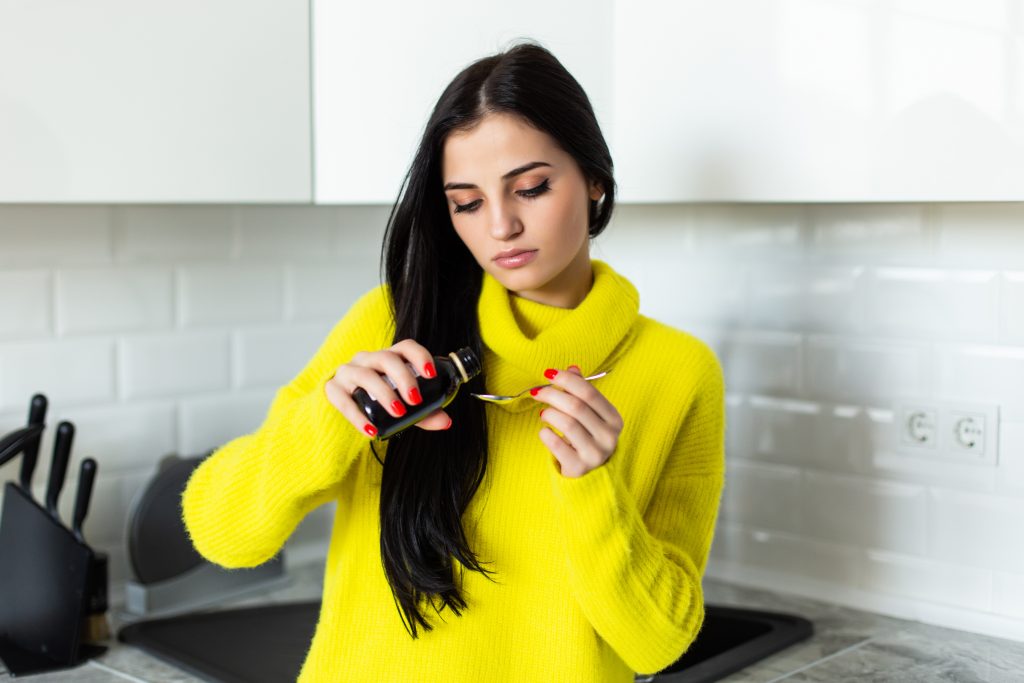
Due to the dynamic lifestyle and increasing issues regarding pollution, hair quality is affected significantly. These factors damage the strength and shine of hair, disrupting the natural hair cycle and scalp health. Here, we talk about 8 nutrients you need for your hair to ensure strength and shine.
Airborne pollutants, such as dust, heavy metals, particulate matter (PM 2.5) and smoke cling to the scalp and hair. Since the pollutant generates free radicals, your hair experiences oxidative stress, damaging the internal protein structure (keratin bonds) and hair cuticle. However, hormonal imbalance, driven by increased adrenaline and cortisol levels, disrupts the natural growth of hair (catagen, anagen and telogen), and due to reduced blood circulation and nutrient absorption, such as a lack of minerals for hair health, scalp issues appear.
1.Protein: The Building Block of Hair
An adequate supply of protein is required to produce keratin and support hair follicles to grow strong and new hair. However, the supply of protein should be consistent, since due to the lack of it, hair growth becomes slow, brittle, and prone to breakage. Protein-based diet includes the best foods for strong, shiny hair (such as lean meats, eggs, and fish) as they help create more keratin, in turn boosting hair growth from follicles.
However, protein provides essential structures to hair strands, making it stronger than before and improving the natural shine. A healthy protein layer is beneficial to ensure a shinier appearance under light. Moreover, the strong layer of the hair, made of keratin, functions as a protective shield against damage from chemicals and heat.
Include protein supplements like soy powder, whey and protein bars, but don’t forget to consult a doctor first. Apart from a protein and hair health diet, use specific hair care products containing hydrolysed proteins, which can improve the hair cuticle for smooth and shiny hair.
2.Iron: Fuel for Healthy Follicles
Iron plays a vital role in improving hair growth and shine, since it enables red blood cells to carry oxygen to hair follicles. Sufficient oxygen supply empowers cell generation and repair, which further secures hair strength and shine. On the other hand, iron also builds collagen, essential for hair structure.
Being the key component of Red Blood cells (hemoglobin), transporting oxygen throughout the body, hair follicles must function well and generate new hair strands.
A lack of iron leads to anemia, severely affecting the oxygen supply to hair follicles, resulting in hair thinning. The consumption of iron through food or using iron-based serums are important in improving hair quality. Moreover, the production of collagen, driven by iron, is important to secure strong hair structure and strands.
Consume iron-rich foods, such as lentils, spinach and beans, to experience strong and shiny hair, while Vitamin C-rich foods, such as citrus fruits, are effective in improving hair quality and scalp health.
Stay hydrated to ensure iron support to hair follicles and enhance hair strand strength.
3.Zinc: The Follicle Repair Mineral
Zinc is one of the most essential nutrients for hair growth, as it supports protein and DNA synthesis, which is vital for the production of keratin and cell division. It also helps maintain healthy hair follicles by regulating sebum production. It protects hair from oxidative stress and ensures the follicles active and healthy.
Zinc contributes to balancing hormones that escalate hair loss, such as androgenetic alopecia (male-pattern baldness). Moreover, it protects the scalp from flaking and dryness, and as an antioxidant, it protects hair follicles from damage caused by oxidative stress and free radicals.
| Types of Food Sources | Food Sources |
| Animal-based sources | Oysters, Beef, Eggs, Crab and other shellfish. |
| Plant-based sources | Pumpkin seeds, lentils, cashews, whole grains, chickpeas. |
| Others | Dairy products (milk, yogurt), fortified cereals. |
Table 1: Various Types of Food Sources for Zinc
4.Vitamin D: Awakening Dormant Follicles
The lack of Vitamin D causes female pattern hair loss (alopécie androgénétique femmes), as well as escalating male baldness. In this regard, vitamin D is important to maintain a spontaneous hair follicle cycle, involving new follicles and an active anagen (growth phase). The deficiency shortens the growth phase, leading to excessive shedding and thinner hair, while adequate levels promote vibrant and thicker hair.
Vitamin D prevents premature shedding and ensures a longer anagen phase, which further prevents follicles from entering the telogen (resting) phase too early, reducing thinning and hair loss.
A sufficient amount of Vitamin D is crucial to developing new hair follicles and ensuring that the existing ones function correctly. However, it contributes to the spontaneous production of hair growth, as well as robust hair strands.
Ten- or twenty-minute exposure to sunlight can be effective to produce Vitamin D, while in the diet, it includes fatty fish, egg yolks, and fortified dairy products.
| Nutrient | Symptom | Potential Impact |
| Iron | Fatigue, pale skin | Diffuse hair loss |
| Vitamin D | Low immunity | Thinning hair |
| Zinc | Brittle nails, dry skin | Weak follicles |
| Biotin | Dull hair | Reduced growth |
| Protein | Muscle loss | Brittle, fragile strands |
Table 2: Common Vitamin & Mineral Deficiencies That Affect Hair
5.Omega-3 Fatty Acids: Nourishing the Scalp
Omega-3 fatty acids are important for hair growth and shine, since they nourish the scalp and reduce inflammation, providing essential moisture to hair strands. By improving blood circulation, omega-3s deliver nutrients to hair follicles, leading to healthier and thicker hair growth. However, it also strengthens the lipid barrier, making the hair more resilient and improving hydration for a glossy appearance.
Omega-3s not only improve the blood circulation to the scalp, but also nourish hair follicles. Apart from minerals for hair health, it nourishes hair follicles, securing a strong anagen (hair growth) phase, promoting longer and thicker growth.
However, the hair transplant experts in Laval suggest omega-3s to reduce scalp inflammation, since they develop a healthier environment for hair to grow and help prevent hair loss due to inflammation. Moreover, it increases dermal papilla cells, empowering hair growth along with a protein and hair health diet.
It not only improves hair strength but also the elasticity, which makes strands more resilient and less prone to breakage. The hydration, fostered by Omega-3s, helps the natural oil production to combat issues regarding fizz and dryness.
For the natural growth of hair, instead of hair transplant, professionals suggest fatty fish, such as sardines, salmon, and mackerel. Including nuts (walnut) and seeds (chia seeds, flaxseeds and hemp seeds in the daily diet is valuable, since these plant-based sources provide ALA (an omega-3 fatty acid), along with Vitamin E and zinc.
| Meal | Example Foods | Nutrient Highlights |
| Breakfast | Greek yogurt + chia seeds + berries | Protein, Omega-3s, Vitamin C |
| Lunch | Grilled salmon + spinach salad | Protein, Iron, Vitamin D |
| Snack | Almonds + orange slices | Vitamin E, Biotin, Vitamin C |
| Dinner | Lentil curry + brown rice + avocado | Zinc, Protein, Healthy Fats |
Table 3: Daily Food Planner: Best Foods for Strong, Shiny Hair
Summary
Since pollution and workload impact the hair quality and scalp health, your diet must have some key nutrients that can not only improve the hair strength and shine, but also grow new hair. Protein, iron, zinc, vitamin D and Omega-3 fatty acids are some of the key nutrients to improve the follicles and help grow new hair strands. In this regard, meats, fish, vegetables and fresh fruits must be included in your daily diet plan. Moreover, constant guidance from experts is also needed to verify scientific processes before starting any diet plan or using any serum.
Experiencing rapid hair loss? Threatened by alopecia at your early age? Visit our website to find the best remedies before it’s too late.
Frequently Asked Questions
No. Since it is prevalent, it is better to consult specialists before considering any self-help treatment or therapy found on social media. Be skeptical, ask experts.
No, the diet for hair growth strengthening is not very strict. Primarily, it involves adopting a nutrient-rich eating pattern as a key lifestyle change with sustainable values.
Yes, both these factors affect the impact of nutrients on body and follicle health. Follow a better diet. Cut cigarettes and alcohol NOW!
A balanced and varied diet rich in whole foods is important for most healthy people, since they provide necessary nutrients, while supplements can bridge the nutritional gap. Make sure you take an expert’s advice before using any supplements.
