
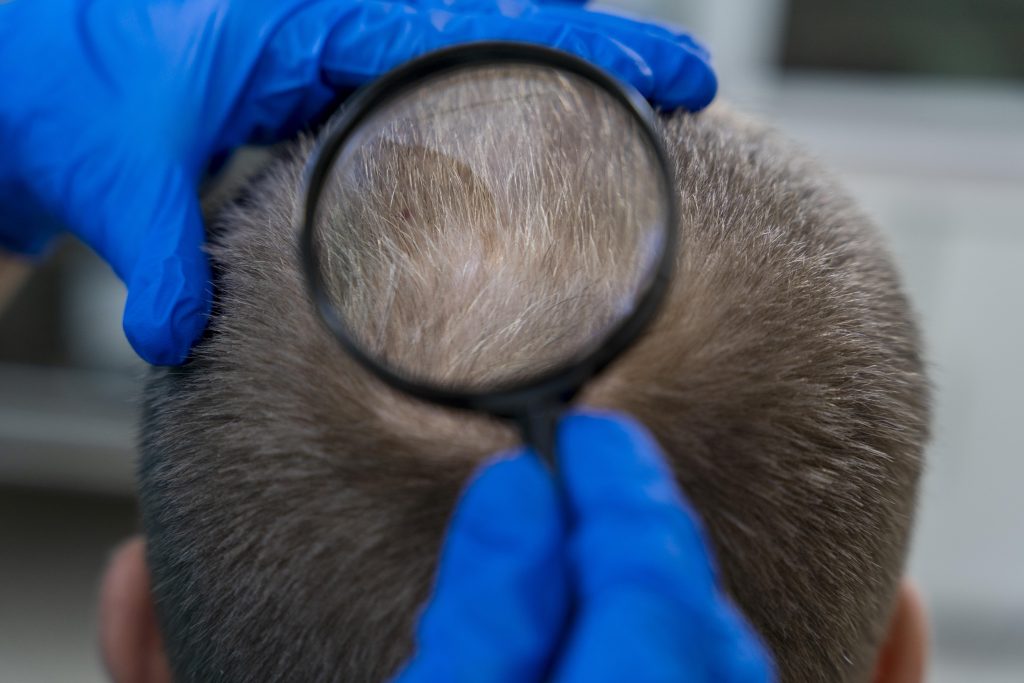
Hormonal imbalance can be one of the most common causes of hair loss for both men and women. Read on to know the possible causes of hair loss due to hormonal imbalance.
Did you know that 80% of males are affected by hair loss due to androgenic alopecia (ADG) by the age of 80, and 40% women are affected by the same issue by the age of 50? Androgenic alopecia is a type of progressive hair loss that affects males and females.
There might be several reasons for ADG, including genetics and hormonal imbalances. In this blog, we will focus on hormonal imbalances that cause hair loss in men and women.
How Hormones Influence Hair Growth
Hormones are controlled by the endocrine system, which is very important for hair growth. For example, androgen hormones like DHT help stimulate hair growth. However, it also causes hair thinning at high levels. On the other hand, oestrogen increases the growth phase for thicker hair. The endocrine system helps to manage the hormonal changes that are crucial for the growth of hair.
Now, let’s look at different phases of hormone imbalances that have an impact on hair density. So, you understand the causes of hair fall and choose the best hair treatment option for you.
1. Thyroid Hormone Imbalance
The thyroid hormone has a significant impact on the growth and health of your hair. Especially, T3 and T4 affect the development of hair at the root. If T3 and T4 hormones are not produced at the right level, your hair may fall out and may not be replaced by new hair.
If you have an imbalance of thyroid hormone in your body, you might experience alopecia, causing you to lose patches of hair from your scalp and also from your eyebrows.
Your hair density might be affected due to both hypothyroidism and hyperthyroidism. In hypothyroidism, the hair follicles become less active, which leads to coarse and brittle hair structure. On the other hand, hyperthyroidism, or a high level of thyroid hormone, will speed up the hair cycle. So, the hair completes its cycle quickly and becomes thin and brittle at a faster rate.
The best way to battle such a condition is to get in touch with a hair restoration clinic near you. The professionals will analyse the issue and prescribe a suitable treatment option.
2. Androgens (DHT) and Their Impact on Hair Density
Androgen hormones like dihydrotestosterone or DHT impact the density of your hair. The hormone gets attached to the androgen receptors in the scalp follicles and causes the hair to shorten in growth. The hormone is also responsible for shrinking the hair follicles to reduce hair growth.
However, there are some impacts of genetics as well in the thinning of hair or hair fall. The likability of the follicles getting affected by DHT depends on variations in the androgen receptors.
In case you are suffering from such issues, go for a hair treatment that might include finasteride and minoxidil. This helps by blocking DHT production or preventing it from binding to hair follicles.
3. Oestrogen Fluctuations – Pregnancy, Menopause & Birth Control
The normal level of oestrogen in your body has a significant impact on your hair growth. So, if the oestrogen level drops in your blood, it will cause the hair follicles to go into a resting phase.
This is why women see the loss of hair in the postpartum phase. During this time, the level of oestrogen falls dramatically, leading to loss or reduction of hair thickness. The same thing happens after menopause when the level of oestrogen in a woman’s body is reduced.
To prevent hair loss, women should consult a professional to reduce hair thinning. The professionals might advise you on non-surgical hair treatments to get better results.
4. Insulin Resistance and Its Connection to Hair Thinning
You might be surprised to know that insulin resistance is also linked to loss of hair and hair thinning. Insulin resistance influences the hair growth phase to become shorter. On the other hand, it expands the resting phase, which leads to an increase in the rate of hair fall.
Moreover, insulin resistance also has a link to the growth of androgens like DHT, causing the shrinking of hair follicles. It also influences hair thinning.
Besides starting your treatment for insulin resistance, you should also start hair treatment. You can also start looking for hair transplant alternatives to get your hair thinning issue treated.
5. Cortisol or Stress Hormone and Stress-Induced Hair Loss
Can excessive stress lead to hair loss? Yes, it can by increasing the level of stress hormone or cortisol in your body. If you suffer from chronic stress, your body will produce more cortisol, which will lead to inflammation and reduced blood flow to the scalp. So, your hair follicles will not receive the necessary nutrients that will lead to the growth of hair.
A rise in the level of cortisol in your blood may push your hair follicles into the resting phase. So, you will experience a high level of hair fall.
In such a case, you will need to reduce your stress level through meditation or other stress management techniques. At the same time, you will need to start scalp regeneration therapy to heal the hair follicles that have been pushed into the resting phase.
6. Growth Hormone (GH) Deficiency and Slow Hair Regeneration
The growth hormone has a tremendous impact on the growth of hair. Due to a low level of IGF-1, you might experience hair loss, alopecia, and hair thinning. On the other hand, if the Growth Hormone level is reduced in your body, you will experience excess body hair. Women may experience the growth of male pattern hair on their body (upper lip, chin, chest, etc.).
How Hormone Testing Works for Hair Loss Patients
The doctors might want to be sure if the hair loss you are suffering from is due to a hormonal imbalance. So, they might prescribe you hormone testing. A simple blood test might be enough to get the level of hormone in your blood. The test might include identifying the level of testosterone, DHT, FSH, LH, and thyroid hormone.
Based on the hormone level in your body, the doctors will determine if the hair fall or thinning issue is due to a hormonal imbalance.
Effective Treatments That Improve Hair Density
With the advancement of medication for hair loss, your doctor might prescribe the most suitable therapy for you. The hair treatment might include non-surgical medical therapies like PRP, mesotherapy, or peptide treatment.
Other prescribed medications might also be helpful to treat your hair loss issue. Non-surgical hair treatment, or scalp regeneration therapy, might also be helpful in battling hair loss.
Get to the Root Cause of Hair Density Loss with Professional Help
The best way to treat the hair thinning issue is to get in touch with a professional as soon as possible. The earlier you manage to diagnose the issue, you can start the treatment. If it is due to the imbalance of hormones in your body, your doctor can prescribe the ideal medication as early as possible.
Frequently Asked Questions
Unless you are going through chemotherapy or an autoimmune disorder, if you are experiencing hormonal hair loss gradually, it might be due to a hormonal imbalance. Get yourself checked by a professional doctor.
Again, it happens due to the high level of estrogen in the body during pregnancy. The high level of estrogen leads to better-looking hair among pregnant women. This is why the reduced level of estrogen during menopause leads to hair thinning.
Polycystic Ovary Syndrome, or PCOS, may lead to hair loss as it increases androgens like testosterone and insulin in the body, which might trigger inflammation. The inflammation might lead to damage to hair follicles.
