
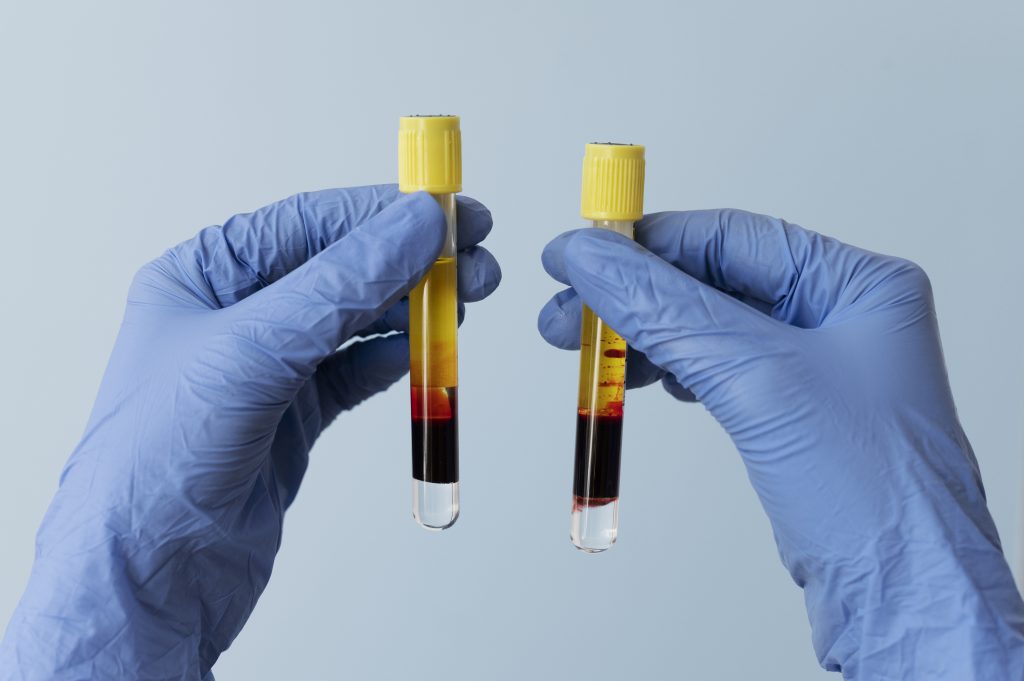
PRP (Platelet-Rich Plasma) is a non-invasive, growth-factor based treatment that stimulates hair regrowth. Hair PRP in Montreal is one of the most popular treatments among people experiencing hair growth issues. Biohackers prefer PRP because it is a natural, regenerative, and non-surgical treatment with minimal downtime and negligible side effects. However, PRP alone is not enough to get consistent regrowth. In this guide, we will cover the optimization of hair follicles, stacking, and the timeline for getting the right results.
PRP in biohacking is preferred by individuals because it improves hair density and counteracts alopecia (hair loss). When it gets activated, PRP releases high concentrations of growth factors that stimulate cell proliferation, differentiation, and tissue repair. This way, hair PRP therapy becomes an effective alternative for stimulating hair growth.
How PRP Stimulates Hair Growth
PRP contains at least six different growth factors. However, the individual synergistic effects of these proteins cannot be recognized easily. Growth factors that help in maximizing PRP results include:
- Fibroblast Growth Factor (FGF): One of the signalling proteins responsible for cell proliferation and tissue repair.
- Vascular Endothelial Growth Factor (VEGF): Helps in restoring oxygen circulation in tissues and the formation of new blood vessels.
- Epidermal Growth Factor (EGF): EGF is one of the proteins that is responsible for cell proliferation.
- Insulin-like Growth Factor-1 (IGF-1): It acts as a key Growth Hormone (GH), promoting cell growth and proliferation.
The growth factors present in the platelets stimulate dormant hair follicles, increasing the blood circulation and prolonging the hair growth.
These growth factors play a key role in increasing blood supply to hair follicles. Furthermore, it helps in reducing inflammation that can cause hair loss and strengthens the hair roots. These growth factors are delivered in high concentrations in the hair follicles, which can extend the Anagen phase (growth). PRP activates hair follicles and enhances blood flow to the hair follicles.
How to Prepare Before Hair PRP
Since the main ingredient of the PRP is sourced from your own biology, it is important to arrive for your appointment as healthy as possible. Therefore, it is important to prepare for the PRP treatment.
2–4 Weeks Before PRP
Avoid taking blood-thinning medications and supplements 2 to 4 weeks before the PRP treatment. It is important to drink plenty of water to get the maximized PRP therapy benefits.
If you are taking any topical retinoids (retinol, tretinoin) and active skincare (AHAs, BHAs, and exfoliants), stop for a couple of weeks before the treatments start. Also, avoid direct exposure to sunlight for 2 weeks before treatment.
1-2 Weeks Before PRP
1 to 2 weeks before PRP, stop taking NSAIDs like Ibuprofen, Naproxen, and Aspirin, as they can interfere with the growth process of PRP. Plus, you should stop taking steroids at least 1 to 2 weeks prior. Alcohol consumption and smoking are also strictly prohibited before the treatment procedure.
24 Hours Before PRP
It is recommended to stay hydrated and eat light meals 24 hours before the PRP procedure. Wash your hair with a mild shampoo (sulfate-free) and come for the PRP appointment with a clean scalp. Avoid any kind of styling products on hair.
Medications, Supplements, & Substances to Avoid
To get the best PRP treatment results, some medications, supplements, and substances need to be avoided. These substances can interfere with the PRP’s functional ability and reduce its effectiveness.
What Can Interfere with PRP Quality?
- Blood-thinners can inhibit the functions of platelets.
- Nonsteroidal Anti-inflammatory Drugs (NSAIDs) can reduce platelet aggregation, reducing its growth response.
- Supplements like fish oil and Vitamin E
- Alcohol and smoking
Nutrition & Hydration Before Hair PRP
Hydration is considered important before hair PRP because, through proper hydration, the blood maintains balance and delivers more concentrated platelet-rich Plasma. Consuming nutrient-rich foods like leafy greens, citrus fruits, and lean meats. Before hair PRP therapy, avoid caffeine consumption and sugary foods, which can interfere with platelet function.
Lifestyle and Activity Considerations
One of the main factors to maximize prp results is getting quality sleep. By getting enough sleep, the regenerative ability of cells increases, resulting in a high-quality platelet concentration for injection.
Another crucial factor is managing stress, as it directly affects cellular health. Sleeping poorly before the PRP therapy for hair can boost cortisol levels (the stress hormone), reducing healing and affecting hair growth.
As far as exercises are concerned, it is recommended not to do any strenuous exercise 24 to 48 hours before the PRP procedure. Let the muscles remain calm.
Common Pre-Treatment Mistakes to Avoid
Some common mistakes that patients make that accidentally reduce the effectiveness of PRP for hair therapy include:
- Not taking hydration seriously
- Taking blood thinners and NSAIDs
- Adding chemicals and coloring the hair
- Doing intense exercise just the day before the PRP procedures
Why Do Technique & PRP Quality Matter for Hair Results?
Platelet concentration is one of the most important factors for enhancing the quality of PRP. In recent treatment procedures, Leukocyte-poor PRP is increasingly becoming popular for treating inflammatory scalp conditions and hair loss because it reduces the stimulation of pro-inflammatory cytokines.
Another crucial factor ensuring improved PRP quality is ensuring the targeted delivery depth in the scalp. To get the comprehensive PRP treatment results, the PRP injection needs to precisely reach the dermal layer, where the hair follicles are located. If the injections are not properly administered, the growth factors will not reach the follicles. Therefore, the effectiveness of the PRP treatment will be significantly reduced.
PRP for Male Pattern Hair Loss (Androgenetic Alopecia)
Male pattern baldness is commonly related to hormonal factors, particularly due to the sensitivity of Dihydrotestosterone (DHT), which affects the hair follicles and the hair growth cycle. The baldness generally begins with hair loss above the temples and frontal hairline. The thinning stays persistent until the recession reaches the crown spot.
With the best quality PRP treatment, the follicle miniaturization slows down, and the Anagen (growth) phase of the hair is enhanced. Furthermore, it improves the thickness of the hair shafts instead of recreating hairlines. In an optimal PRP approach for men, higher platelet concentrations and double-spin methods are used to get a more effective serum. PRP treatment results in men mainly emphasizing on crown and mid-scalp density maintenance.
PRP for Female Pattern Hair Loss (FPHL)
Hormonal fluctuation caused by estrogen decline, postpartum, and perimenopause is one of the key drivers for female pattern hair loss. Chronic stress and thyroid imbalance are also crucial factors for pattern hair loss among women. Among females, the baldness starts from diffuse thinning and reduced ponytail volume.
An optimized PRP approach for women’s pattern hair loss include low pressure, evenly distributed injections in the scalp. Among women, PRP is combined with nutrient correction and stress modulation. The main goal of PRP therapy among women is to reduce the shedding and grow new hair.
Key PRP Differences: Male vs. Female Hair Loss
| Factor | Male Hair Loss | Female Hair Loss |
| Primary Cause | DHT-driven follicle miniaturization | Hormonal, nutritional, stress-related |
| Hair Loss Pattern | Receding hairline, crown thinning | Diffuse thinning, widened part |
| PRP Intensity | Moderate–high platelet concentration | Moderate concentration, wider coverage |
| Stacking Focus | DHT control + follicle stimulation | Nutrient balance + vascular support |
| Expected Outcome | Density preservation & thickening | Reduced shedding & improved volume |
Table 1: The difference between PRP treatments of male and female hair loss
Bio-Hacker Stacks That Amplify Hair PRP Results
PRP in biohacking is not enough to guarantee long-term growth. Therefore, PRP is often stacked with other treatment options that enhance the results of PRP. Here are some of the key stacking options where the best results are achieved.
PRP + Microneedling
When PRP and microneedling are used together, they develop a powerful interaction that maximizes the hair regrowth outcome. Microneedling creates microchannels on the scalp, which helps PRP to penetrate deeper. Furthermore, both PRP and microneedling enhance the blood flow on the scalp, which is essential for delivering key nutrients for hair growth. This way, PRP therapies’ longevity is ensured, accelerating hair growth.
PRP + LLLT Caps
Low-Level Laser Therapy (LLLT) can enhance the cellular activity in the scalp, which effectively promotes hair growth. When combined with PRP, it increases the activity of the growth factors and improves the general health of the hair follicles.
PRP + Minoxidil
Minoxidil is a topical medication that is known for its ability to promote hair regrowth. To maximize the PRP therapy benefits, Minoxidil is often combined with it. Minoxidil and PRP complement each other, as Minoxidil ensures hair growth from the outside, while PRP strengthens the follicles from the inside.
| PRP Stack | How It Works Together | Best For | Expected Benefits | Timeline for Visible Results | Maintenance & Commitment | Realistic Expectations |
| PRP + Microneedling | Microneedling creates micro-channels that enhance PRP absorption and stimulate collagen + growth factors | Early to moderate hair thinning, diffuse thinning, poor scalp circulation | Improved PRP penetration, thicker hair shafts, better scalp response | 2–4 months (gradual improvement) | PRP sessions every 4–6 weeks initially; microneedling maintenance every 4–8 weeks | Enhances density and thickness. However, it does not grow hair in entirely bald areas. |
| PRP + LLLT (Laser) Caps | PRP stimulates follicles biologically, while LLLT improves cellular energy and blood flow | Patients seeking non-invasive support. Patients who have a sensitive scalp. | Reduced shedding, improved hair quality, prolonged growth phase | 3–6 months with consistent use | PRP sessions + LLLT cap use 3–5 times/week at home | Slow improvement, results depend on impact of the laser treatments |
| PRP + Minoxidil | PRP activates follicles while minoxidil prolongs the growth (anagen) phase | Androgenetic alopecia (men & women), active hair loss | Faster response, improved hair retention, increased visible density | 2–3 months (earlier cosmetic improvement) | Ongoing daily minoxidil + PRP cycles | Dependent on hair maintenance. If you stop minoxidil, it may lead to shedding again. |
Table 2: PRP Stacks Comparison
Post Procedural Care that Determines Hair PRP Success
Planning for post-treatment care is important to obtain the desired results. The success of the PRP therapy significantly depends on the post PRP care protocols.
The First 24–48 Hours After Hair PRP
The immediate aftercare window after PRP is crucial, as patients might experience mild swelling and tenderness on the scalp, which is normal. Washing the hair, touching the scalp repeatedly, and exposure to the sun are highly prohibited during the initial 1-2 days post PRP.
For the first 5 to 7 nights after the PRP, sleep on your back with your head elevated at a 30 to 45 degree angle, in a semi-upright position.
Habits That Can Reduce PRP Effectiveness
- Anti-inflammatory medications: It reduces the platelet function as it prevents the platelets from releasing growth factors.
- Alcohol and smoking: These can compromise the quality of your blood, reducing platelet effectiveness.
- Heat exposure: Heat exposure is prohibited immediately after PRP on hair because heat increases the local blood flow of the scalp, resulting in premature activation of the platelets. The increased blood flow can wash away the injected plasma.
When and How to Resume Hair Care
Patients need to wait at least 24 to 48 hours before washing their hair post-PRP treatment. Avoid harsh shampoos and hot water. After PRP treatment, a mild, sulfate-free, pH-balanced shampoo can be used to gently cleanse the sensitive area of the scalp without irritation.
Scalp massage is a good way to increase circulation; however, no scalp massage is recommended for the initial 24 to 48 hours after PRP therapy. After this time period, introduce gentle fingertop massage for a few minutes, a few times a day. Avoid putting pressure on the scalp when massaging.
Medications, Supplements & Topicals Post-PRP
Generally, individuals can resume minoxidil 2 to 4 weeks post-PRP. However, it’s best to wait until the scalp is entirely healed.
Post-PRP, certain supplements can help increase antioxidants, collagen, and essential vitamins. Some of these safe supplements include:
- Vitamin C: Increases collagen production
- Zinc: Improves cell repair and aids faster recovery
- Vitamin D: Effective for overall tissue health
- Protein / Amino Acids: Helps in building hair and tissue repair
Remember to discuss with your healthcare provider before starting any supplements or medications, as every individual’s needs can vary.
How Often Should PRP Be Done?
PRP is not a one-shot solution. The real PRP therapy benefits can only be observed after the initial treatment cycles. Initial treatment cycles include 3 to 4 sessions, which can be scheduled 4 to 6 weeks apart. Typical scheduling top-up treatments should be considered every 4 to 6 months.
Certain signs indicate that additional PRP sessions are needed. Patients may not get the expected results after the initial treatment cycles. These signs include:
- Resumed hair loss/thinning
- Visible thinning in the crown or hairline
- Return of increased shedding
What Patients Often Do Wrong After the PRP Treatment
Patients make certain mistakes just after taking the PRP treatment, which reduces the effectiveness of the treatment and affects the scalp. Here are some common mistakes made by patients post-PRP.
- Washing the hair just after the treatment
- Touching or scratching the scalp
- Using hot or cold compresses directly
- Starting to use chemicals and products just after the PRP treatment.
- Skipping follow-up sessions
When Bio-Hackers See Results From Hair PRP
Month 1
Stimulation of follicles improves the blood flow. You can experience a tingling sensation, which is the effect of growth factors stimulating the dormant hair follicles.
Month 2
Patients start to see less hair shedding. The scalp becomes less dry or oily. Small hair may start to appear alongside the thinned areas.
Month 3
Visible improvements are seen. During this time, the terminal hair density is increased by about 40.1 hairs per cm². If looked under a microscope, it is observed that the epidermis has become thicker and more hair follicles have been observed.
Month 4
Gradual thickening is observed during this time, as patients likely experience increased thickness and density. The hair follicles can now regenerate thanks to the effects of growth factors and stem cells.
PRP ROI for Hair Loss
PRP is considered a worthy investment because, unlike a hair transplant, it is less expensive and an almost non-surgical procedure. If biohackers understand that PRP treatment results depend on its regenerative quality, it is considered a worthy investment, where the body’s own growth factors are used to ensure growth.
When PRP May Not Be Worth It
If hair follicles are completely miniaturized or dead, the PRP treatment will not work. Furthermore, people expecting a single-shot solution to hair loss issues may not find the PRP treatment ideal.
Wrapping Up
The PRP treatment for hair growth is primarily dependent on the biology of the individual. It maintains scalp health and combines with other hair regrowth therapies and treatment procedures to deliver enhanced hair density. However, the pre and post PRP discipline needs to be followed strictly if individuals want to ensure guaranteed success.
Book a Hair PRP Optimization Consultation Today!
Looking for non-invasive options to ensure hair growth? Consult with a certified clinic for a PRP optimization today to enhance hair density.
Frequently Asked Questions
Ans. The number of sessions of PRP needed for optimal results depends on the severity of hair loss and how the patient responds to the treatment. Typically, patients need to undergo 3 to 4 PRP sessions, spaced 4 to 6 weeks apart.
Ans. Yes, absolutely. It is considered safe because this treatment uses the patient’s own platelet-rich Plasma, reducing the risk of allergies or other complications.
Ans. There are not many side effects that patients experience after PRP. However, patients often report local pain and temporary swelling at the injection site.
